
Attend as observers: Designate authorized representatives to sit as observers at public meetings of ECOSOC and its functional commissions (with representatives at UN offices in New York, Geneva and Vienna).
UN ECOSOC · Special Consultative Status
Who We Are
A non-governmental organization bridging the two shores of the Pacific through culture and education.
01 The Stage We Stand On
The UN Economic and Social Council
The UN Economic and Social Council (ECOSOC) is one of the six principal organs established by the Charter of the United Nations. It coordinates the economic, social and related work of 14 UN specialized agencies, 10 functional commissions and 5 regional commissions.
- Coordinates the economic and social work of the United Nations and its specialized agencies.
- Studies international issues of economy, society, development, culture, education, health and related fields.
- Convenes international conferences within its mandate and drafts conventions for the consideration of the UN General Assembly.
- Operates through 9 functional commissions, 5 regional bodies and 5 standing committees that handle its respective work.
02 Who We Are
Pacific Rim Institute for Development and Education (P.R.I.D.E.)
The Pacific Rim Institute for Development and Education (P.R.I.D.E.) was founded in 1990 and is a non-profit civil society organization registered in California under U.S. Internal Revenue Code 501(c)(3).
Consultative Status with UN ECOSOC is an important hallmark of international recognition for a non-governmental organization. Through ECOSOC, the United Nations recognizes significant NGOs, establishes working relationships with them and draws on their role in international affairs.
In 1999, P.R.I.D.E. was granted Special Consultative Status with the UN Economic and Social Council (ECOSOC). It is dedicated to promoting cultural and economic exchange between the United States and the nations of the Pacific, and has long fostered trade, technology transfer, economic cooperation and international cultural dialogue among developing and developed countries — encouraging developing nations to take part in regional and international economic activity.
03 ECOSOC Resolution 1996/31
Rights Under Consultative Status
Under ECOSOC resolution 1996/31, NGOs in consultative status enjoy a range of participation rights. P.R.I.D.E. holds Special Consultative Status, and may:
Receive the agenda: Receive the provisional agenda of meetings of ECOSOC and its subsidiary bodies.
Submit written statements: Submit written statements on subjects of special competence, circulated by the UN Secretary-General to member States (special status: up to 500 words to the Council, 1,500 words to commissions).
Make oral interventions: May be heard by ECOSOC’s functional commissions (such as the Commission on the Status of Women, CSW) on matters within its competence.
Attend UN conferences: Be accredited to attend international conferences convened by the UN and their preparatory meetings, and make brief oral and written presentations.
04 Mission-Driven
Core Functions
Under the UN 2030 Sustainable Development Goals (SDGs), P.R.I.D.E. champions sustainable human development, builds bridges of culture and care, and brings the arts and cultures of many nations onto the UN stage — giving the peoples of the world greater opportunity to be seen.
-
Strengthen the capacities of socially vulnerable groups to foster a culture of equal rights and opportunity.
-
Advance gender equality and empower women and youth to eliminate poverty and reinforce democratic governance.
-
Apply economic information and internet technology to strengthen enterprise competitiveness, support sectoral development, and raise public awareness of social and environmental accountability.
-
Build international networks of partnership toward an integrated society of cultural, economic and trade development, encouraging sustainable development across all regions of the world.
05 What We Do
Scope of Work
- Undertake and organize projects commissioned by international institutions such as the United Nations, the European Union and APEC.
- Organize the international promotion of science and technology products, technology transfer, project exchange and product exhibition, and provide international procurement, trade information exchange and study visits.
- Assist international institutions and enterprises in carrying out cooperative projects and provide consulting services.
- Help international organizations and enterprises build partners and import-export channels in China, advancing technological, economic and trade exchange between China and the world.
- Carry out education development, training, accreditation and evaluation, and school–enterprise cooperation.
- Facilitate cooperation and exchange between schools, educational organizations and enterprises worldwide and China, conduct education quality-assurance activities, and advance the development of education, science and technology in China.
06 Related Services
Related Services
- Provide international intelligence on technology, economy and trade — covering both macroeconomic and international-trade information, with a particular focus on China and the Asia-Pacific.
- Support international enterprises with trade exchange, exhibitions, conferences, personnel training and related consulting services.
- Help Chinese educational institutions reach the world, strengthening international cooperation through consulting on educational research, training, accreditation and evaluation, school–enterprise cooperation and traditional culture.
07 Social Responsibility
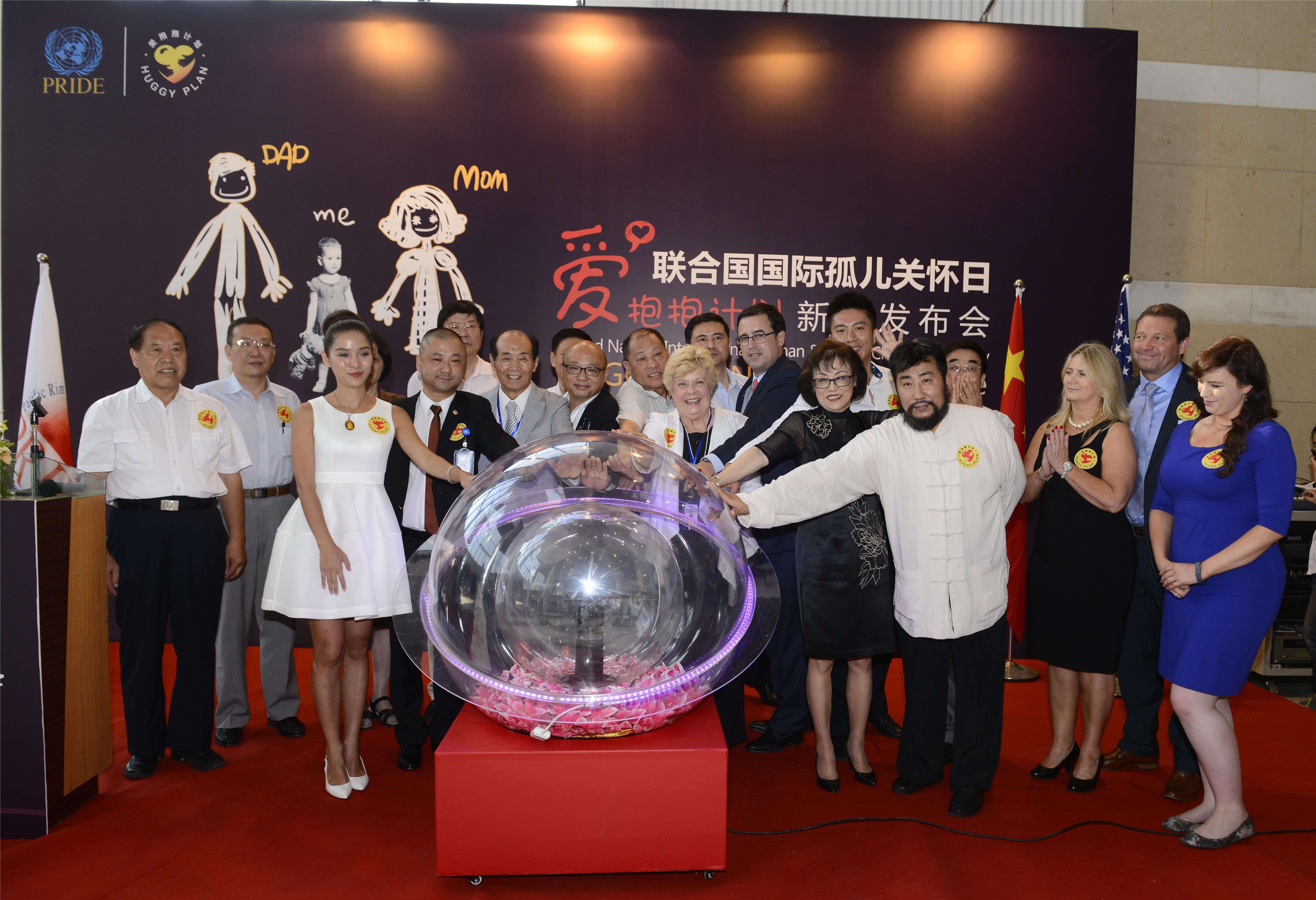
The Huggy Plan & International Orphan Care Day
So that lives may be renewed, and love may shine brighter.
To advance the care of orphaned children across the international community and all humanity, P.R.I.D.E. is petitioning the United Nations to establish an International Orphan Care Day. Orphans are a uniquely vulnerable group of children who especially need the attention and care of all humankind. The day calls for deeper love and concrete assistance for vulnerable children — urging people to give their most precious things to orphans, so that lives may be renewed and love may shine ever brighter.
About the Huggy Plan