February 13 — World Radio Day
2021-02-13
News Department
New World, New Radio
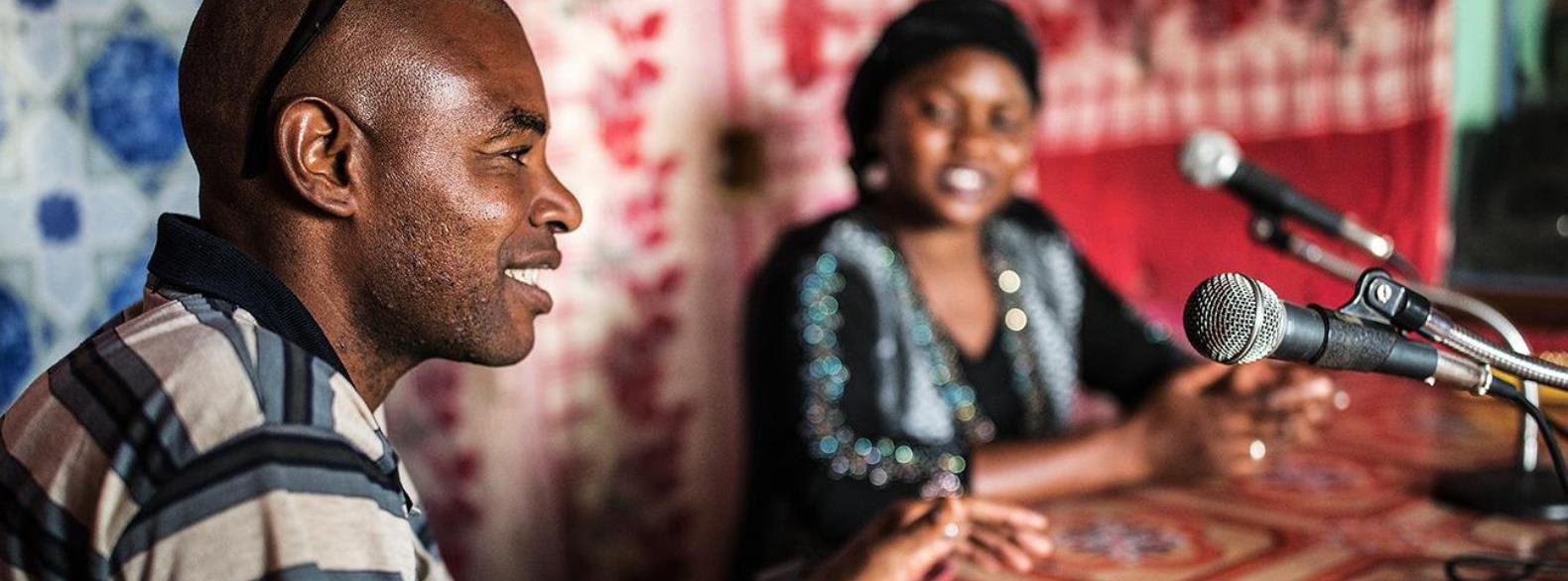
World Radio Day 2021 celebrates how the medium of radio broadcasting has become inseparable from human history, following the changes and development of our society and providing all kinds of services while keeping pace with the times. The world is changing, and radio broadcasting is also developing and changing. For example, during the coronavirus disease pandemic, radio broadcasting played a role in ensuring the continuity of education, combating misinformation, and advocating epidemic-prevention measures.
Therefore, the theme "New World, New Radio" aims to celebrate the resilient spirit of radio broadcasting and its ability to keep pace with the times and continuously adapt to the pace of social change and the new needs of its audience. Radio broadcasting can be accessed anytime and anywhere; it reaches a wide audience and has become a platform on which all voices can be expressed, represented and disseminated. It is precisely for this reason that, even today, it remains the medium with the most users in the world.
On the occasion of World Radio Day 2021, UNESCO invites radio stations to celebrate the 10th anniversary of World Radio Day and to commemorate more than 110 years since the advent of radio broadcasting. This World Radio Day is divided into three sub-themes:
Evolution. The world is changing, and radio broadcasting is evolving. This sub-theme explores the resilience and durability of radio broadcasting;
Innovation. The world is changing, and radio broadcasting is adapting and innovating. Radio broadcasting must adapt to new technologies in order to maintain its outstanding mobility, allowing everyone to listen to it anytime and anywhere;
Connection. The world is changing, and radio broadcasting is connecting you and me. This sub-theme illustrates how radio broadcasting serves our society in situations such as natural disasters, socioeconomic crises and epidemics.
Background Information
UNESCO Member States declared February 13 World Radio Day in 2011, and the United Nations General Assembly adopted it in 2012, designating this day as a United Nations international day.
Radio broadcasting is a powerful medium that can highlight the diversity of humanity and provide a platform for democratic expression. Worldwide, radio broadcasting remains the most widely used medium. Radio broadcasting can reach the largest audience and can therefore allow society to experience diversity, becoming a platform for all groups to make their voices heard, to nominate representatives and to be listened to. Radio stations should serve different communities, offering diversified programs, perspectives and content, and reflecting the diversity of their audiences in their organization and operation.
Radio broadcasting is a low-cost medium, particularly suited to reaching remote communities and vulnerable groups. It provides a platform through which people can participate in public discussion regardless of their level of education. In emergency communications and disaster relief, radio broadcasting also plays a vital role.
Radio broadcasting helps to unite communities and promote positive dialogue for change. By listening to the voices of different audiences and responding to their needs, radio broadcasting services provide diversified opinions and perspectives, helping us to address our common challenges.
Source: Pacific Rim Institute for Development and Education (P.R.I.D.E.)