International Day of Epidemic Preparedness, December 27
2020-12-26
News Department
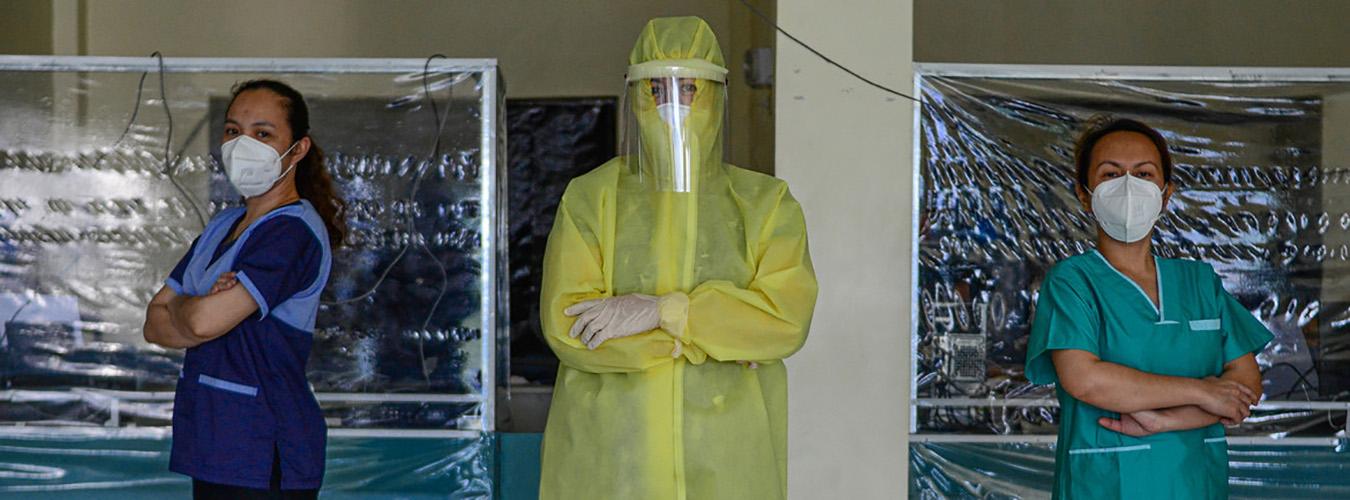
The ongoing COVID-19 pandemic has shown that major infectious diseases and epidemics can have a devastating impact on human life and severely disrupt long-term social and economic development. The threat of a global health crisis overwhelms already overstretched health systems, disrupts global supply chains, and causes especially severe damage to the livelihoods of people, including women and children, and to the economies of the poorest and most vulnerable countries.
The world urgently needs to build resilient, robust health systems capable of helping the vulnerable or those in precarious circumstances.
If the international community fails to pay attention, future outbreaks of epidemics may surpass previous ones in intensity and severity. As effective measures for the prevention of and response to epidemics, raising awareness, exchanging information, scientific knowledge and best practices, and conducting quality education and outreach programmes on epidemics at the local, national, regional and global levels are of the utmost importance.
It is crucial to use the lessons learned in epidemic control and in preventing the disruption of essential services to strengthen epidemic prevention efforts and improve preparedness, so as to take the most appropriate response measures as early as possible to any epidemic that may arise, and to recognize the value of the One Health approach, which can promote cooperation between the human health, animal health and plant health sectors, as well as between the environmental sector and other relevant sectors.
International cooperation and multilateralism play an important role in responding to epidemics. At every stage of epidemic management, we need to emphasize the importance of building partnerships and strengthening solidarity among every individual, community and country, among regional organizations and international organizations, as well as the importance of taking a gender-equality perspective into account in this regard.
The United Nations system, and the World Health Organization in particular, plays a key role in coordinating the response to epidemics in accordance with its mandate, as well as in assisting national, regional and international efforts to prevent, mitigate and eliminate the impact of infectious diseases and epidemics in line with the goals of advancing the 2030 Agenda.
We need to recognize the primary role and responsibility of governments, as well as the indispensable contributions of relevant stakeholders in addressing global health challenges, in particular the contribution of women, who make up the majority of the global health workforce.
United Nations Member States are committed to ensuring inclusive, equal and non-discriminatory participation, with particular attention to those vulnerable groups most susceptible to infection and to people in vulnerable situations.
The United Nations General Assembly invites all Member States, organizations of the United Nations system and other global, regional and subregional organizations, as well as the private sector and civil society (including non-governmental organizations, academic institutions, individuals and other relevant stakeholders), to observe the International Day of Epidemic Preparedness annually in an appropriate manner, through education and awareness-raising activities and in accordance with national circumstances and priorities, thereby underscoring the importance of the prevention of and preparedness for epidemics and of building partnerships to respond to epidemics.
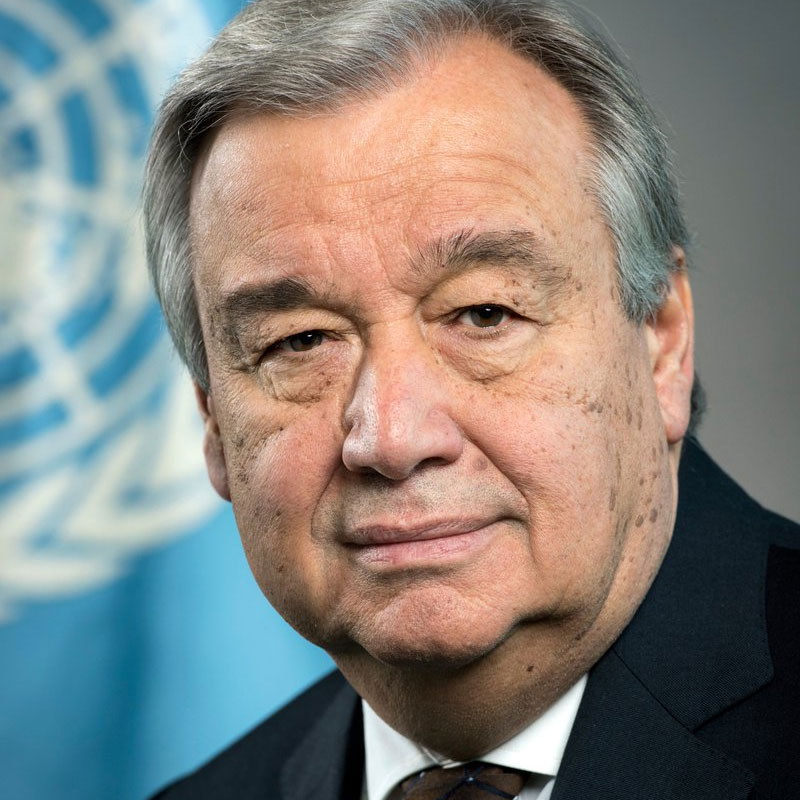
COVID-19 is a human tragedy. But it has also created a once-in-a-generation opportunity. It is an opportunity to rebuild a more equal and more sustainable world. The response to this pandemic, and to the widespread discontent that preceded it, must be built on the foundation of a "New Social Contract" and a "New Global Deal" that create equal opportunities for all and respect the rights and freedoms of all.
United Nations Secretary-General António Guterres, Annual Nelson Mandela Lecture, "Tackling the Inequality Pandemic: A New Social Contract for a New Era"
Source: Pacific Rim Institute for Development and Education (P.R.I.D.E.)